
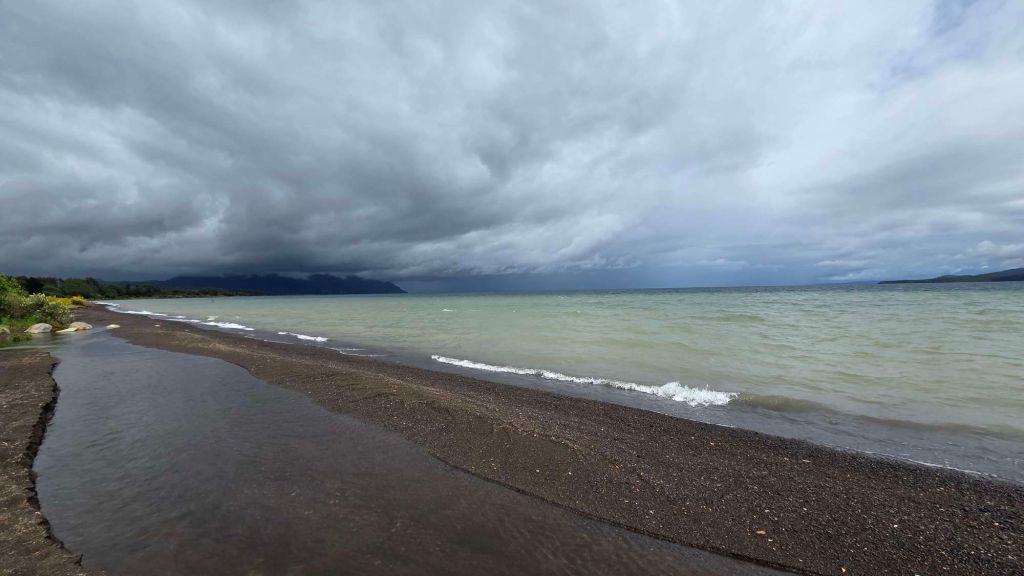
Driving down through the southern Lakes there was still a bit of weather about. A bit black over Bill’s mother’s…
The Ruta 5 Careterra Panamericanan, which starts life 3,000km north on the Peru / Bolivia border, runs out of steam in the Southern port of Puerto Montt before hopping onto the island of Chiloé for a last hurrah. Puerto Montt is the start of the Carretera Austral, which makes it’s way a further 2,000km through Patagonia to Tierre del Fuego and the very tip of the continent. That’s for another trip – it’s not really the season, but we did want to at least dip our toes into the fabled land of Patagonia and the Hornopirén National Park was the obvious target.
On the way, we passed the entrance to the famed Cochamo Valley (building a reputation as a Big Wall destination to rival Yosemite). It’s not Cochamo season either, which doesn’t really start until December, and in any event we weren’t on a Big Wall mission. Even “nipping in for a shufty” isn’t a straightforward option either, as it’s a 4 to 6hrs walk and people typically hire mules to carry their luggage. Anyway, the weather was foul and we’d have the option to reconsider when we retraced our steps northwards (or so we thought…)
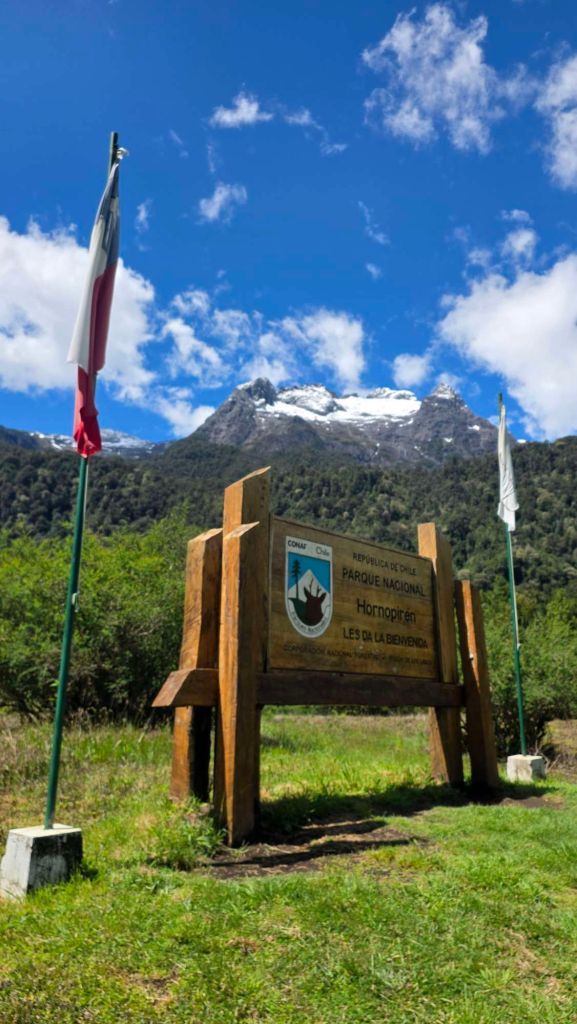
Things perked up in Hornopirén…
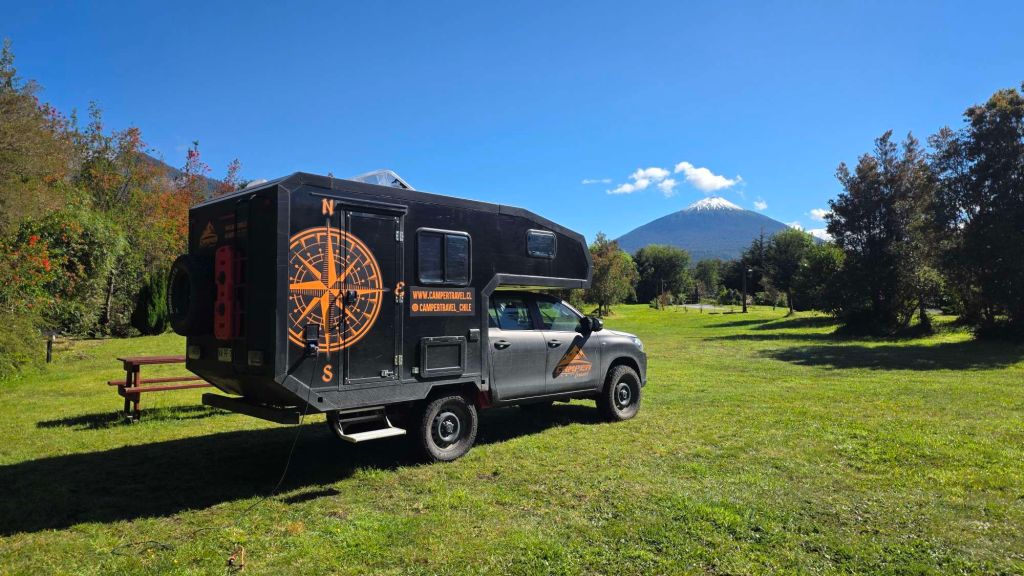
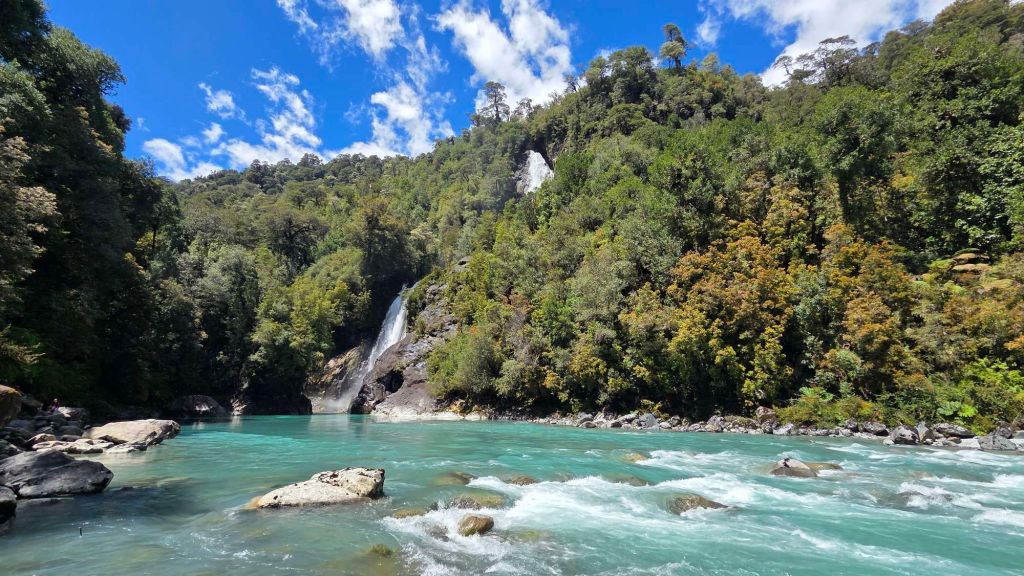
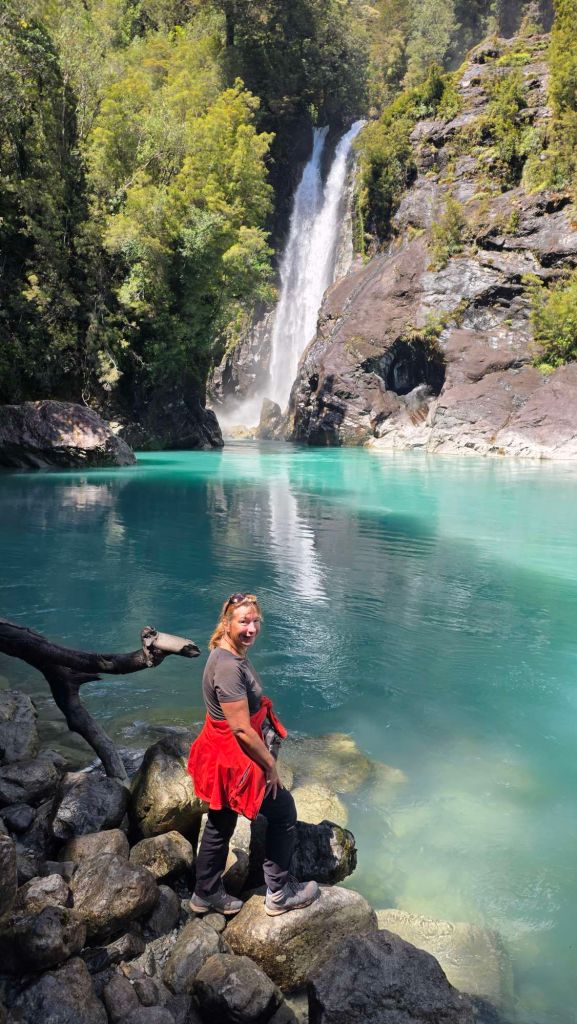
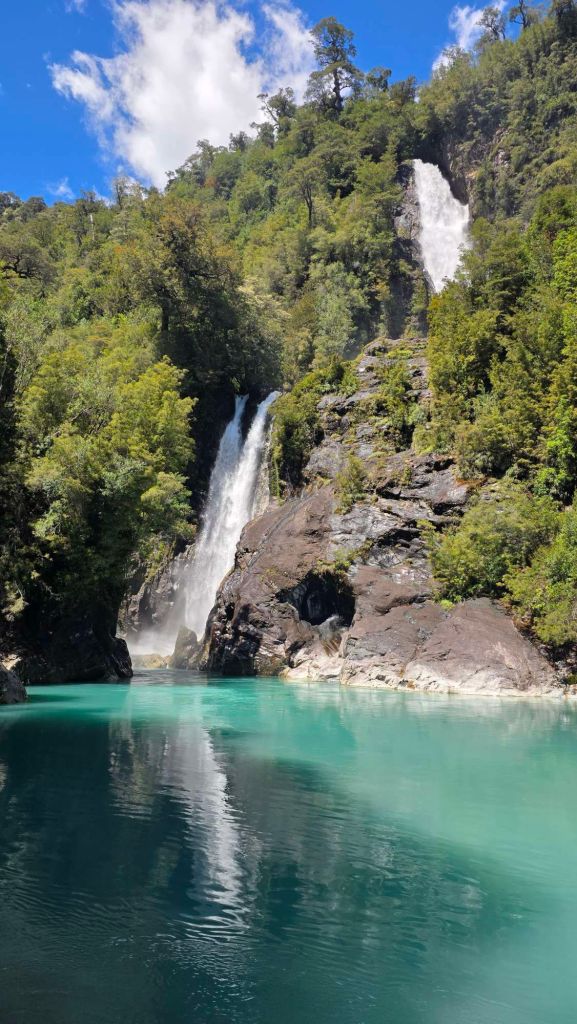
… and we went to explore the Cascadas Río Blanco, a couple of hours round trip into the park…
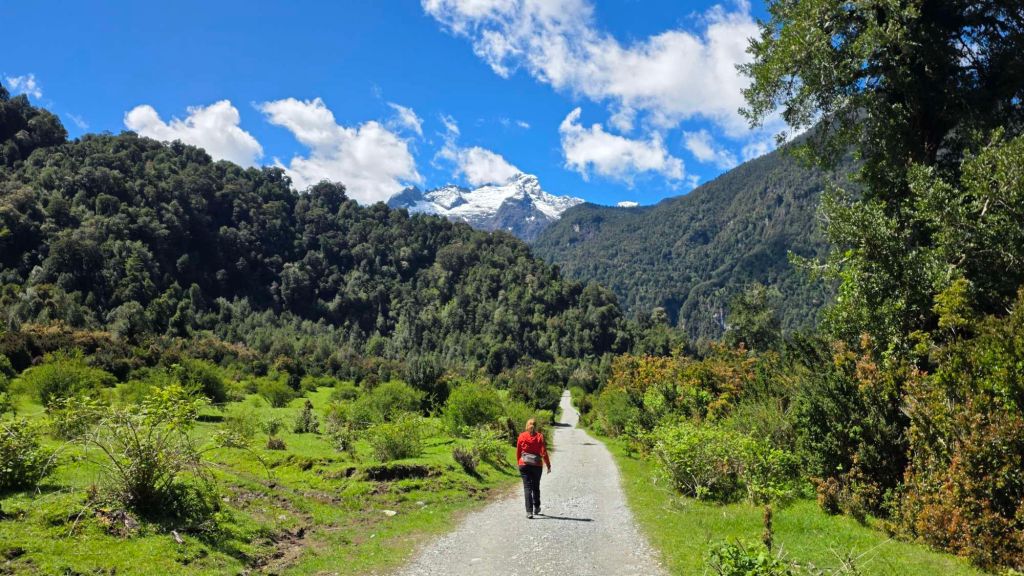
… with the ubiquitous snowy volcano vistas…
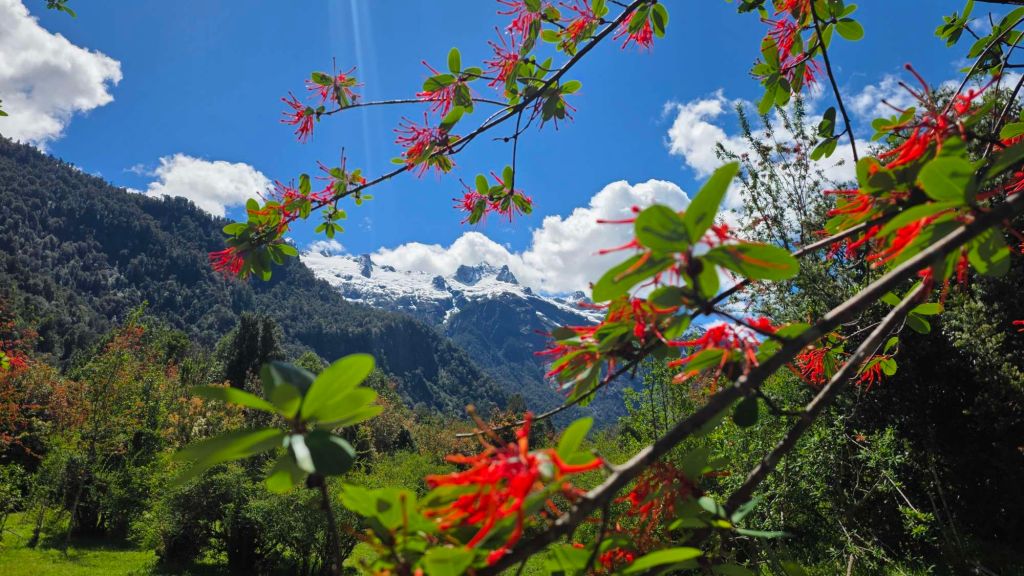
… to view some spectacular waterfalls.
Beyond Hornopirén, the Ruta 7 is still very much a work-in-progress, with stretches of single track dirt road alternating with immaculate tarmac, and with sections linked by ferry hops. We pressed on to the end of the road, literally…
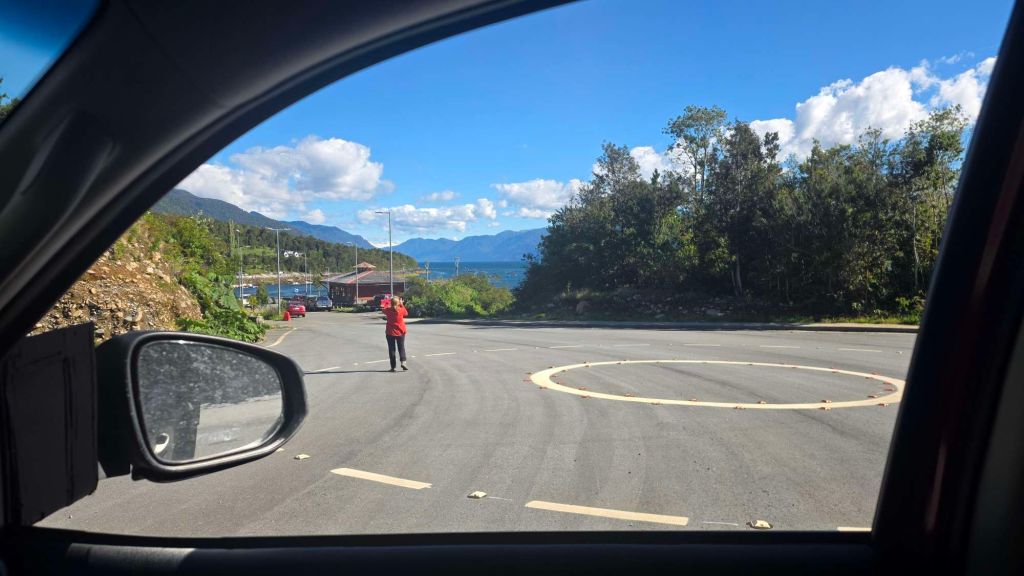
… which seemed like as logical place as any to turn around and start our long journey back towards Santiago.
Stunning scenery in the long sea channel south of Hornopirén…
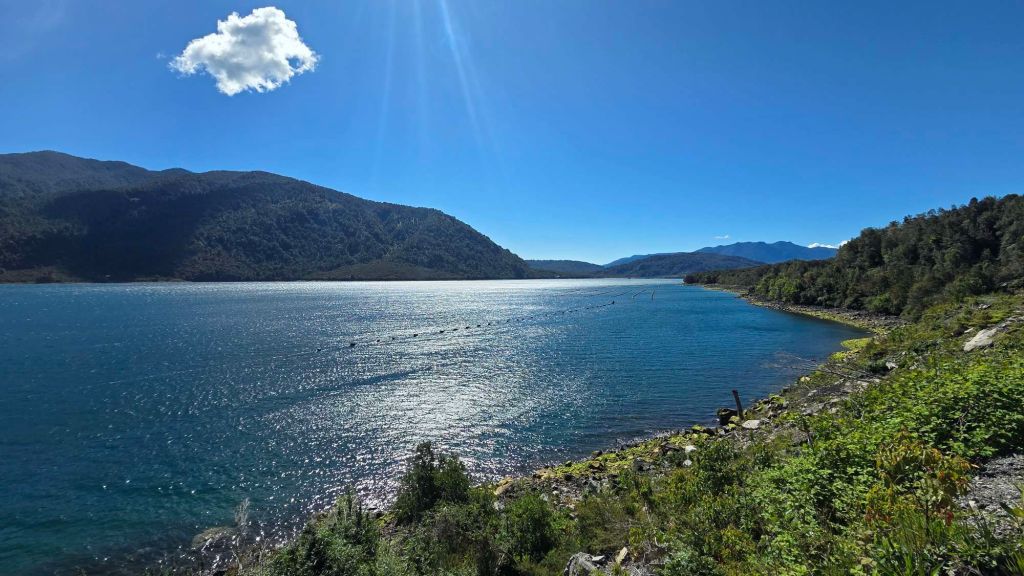
… and across to the town.
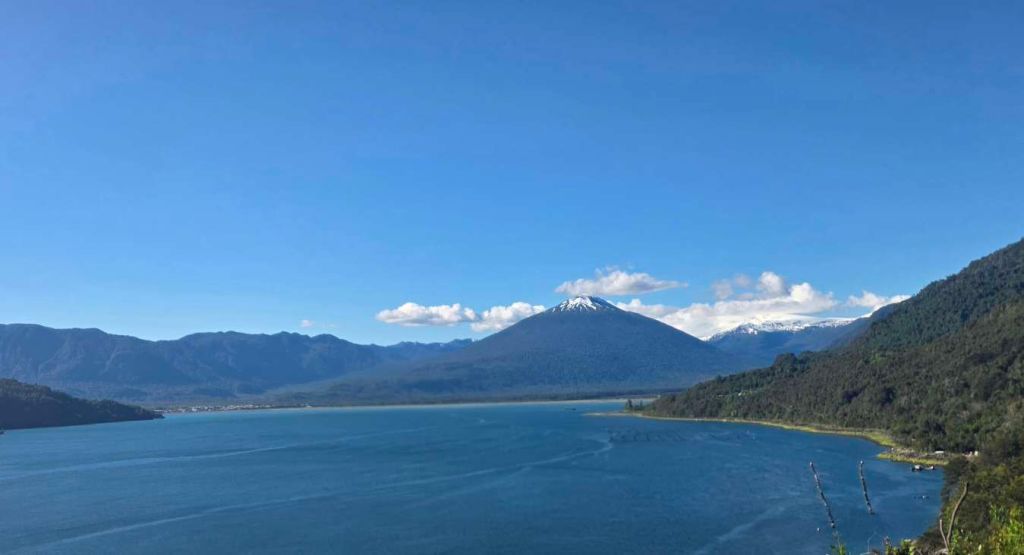
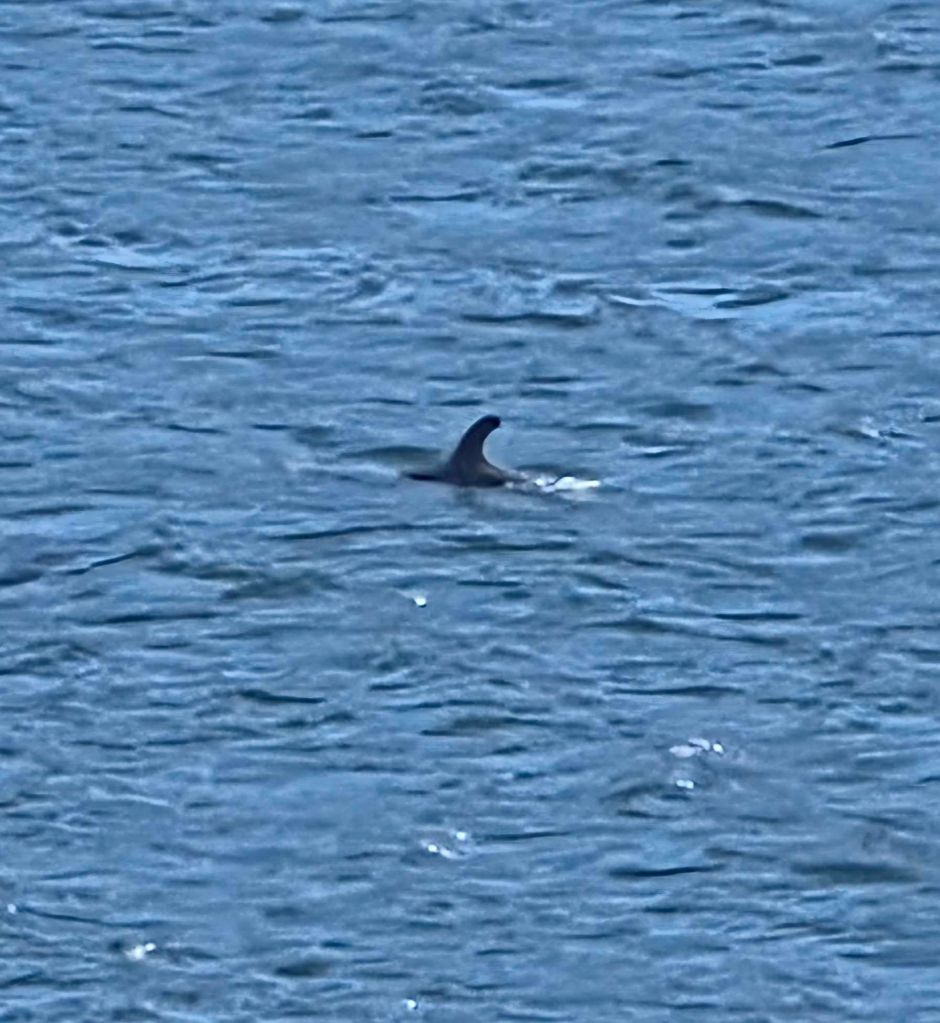
As we took in the views, pondering the long shlep north back to Santiago, we were entertained by a pod of dolphins, seemingly intent on persuading us to abandon our plans and keep heading south.
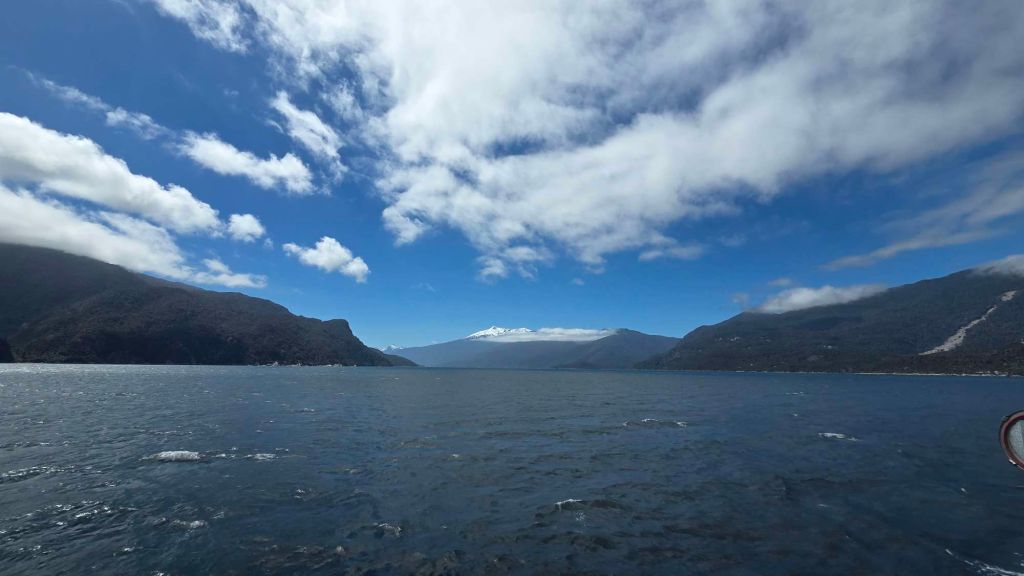
With the weather much more settled, we did harbour thoughts of at least exploring the start of the Cochamo Valley, but a broken down articulated truck blocking the single-track dirt road forced a change of plan, and we hopped on the La Arena – Puelche ferry…
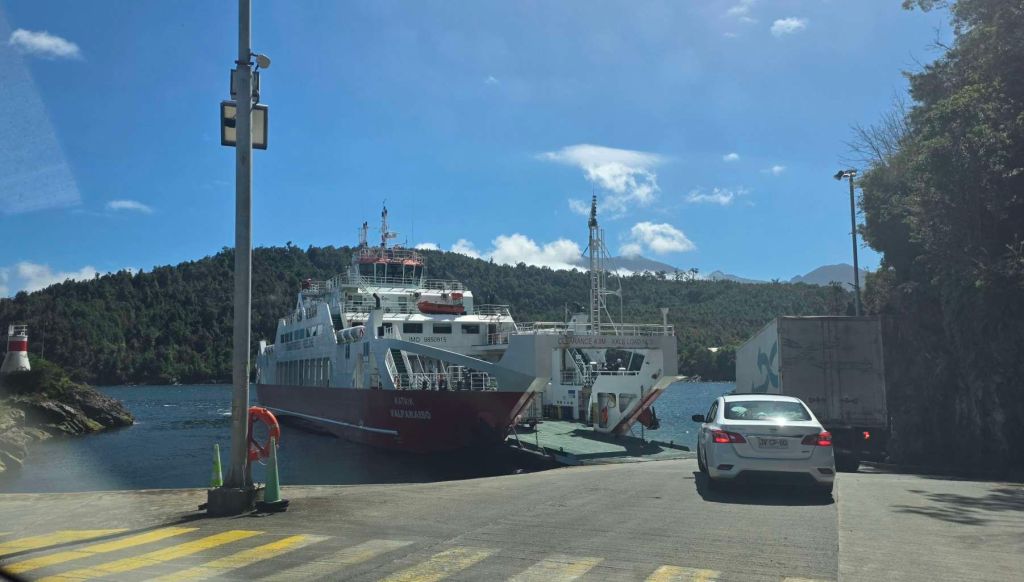
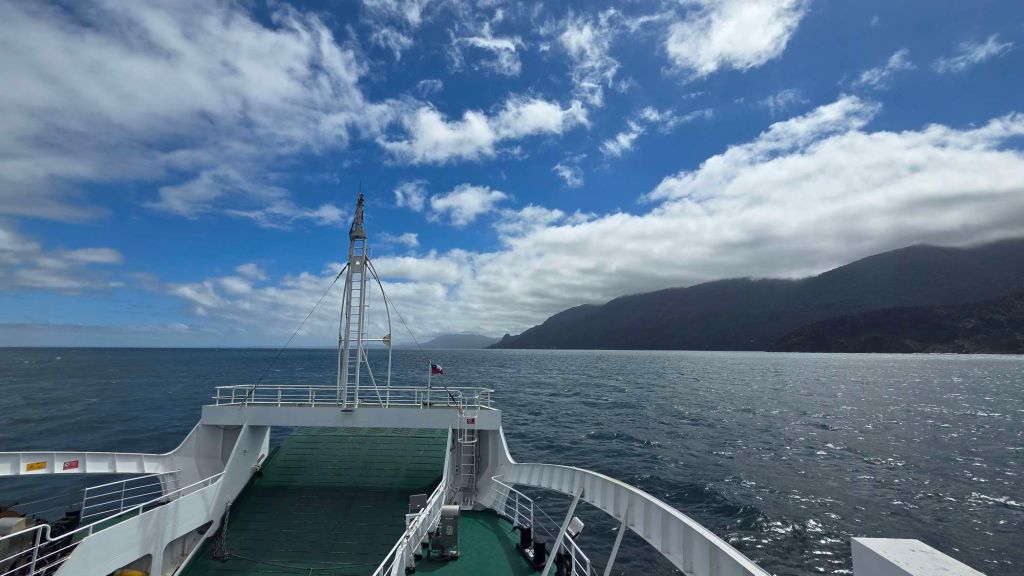
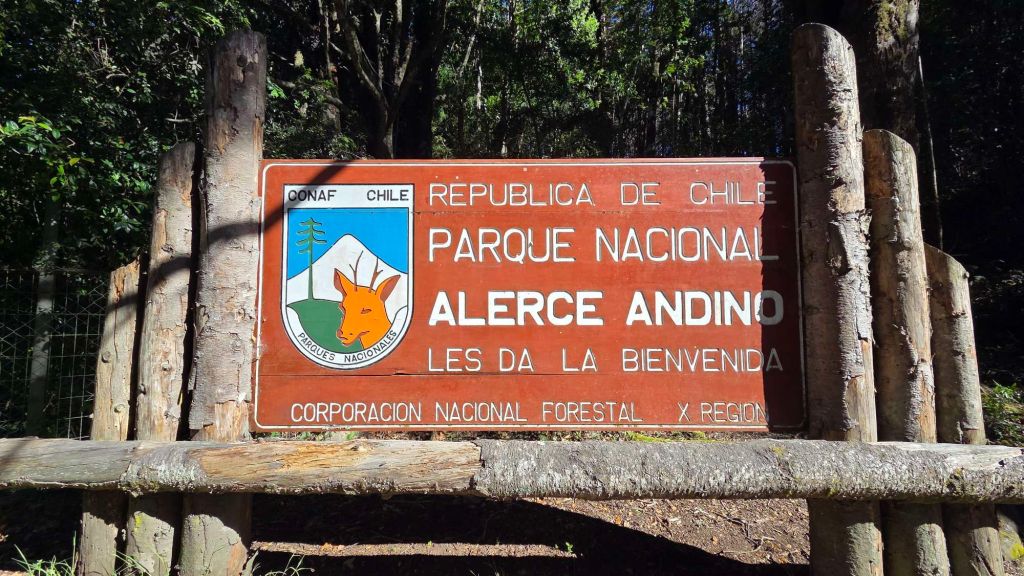
… to take us the other way around the wild expanse of the Parque Nacional Alerce Andino.
Correntosa
That random flap of a butterfly’s wing saw us making a diversion into the Park to check out the climbing at Correntosa.
A pretty river has carved a canyon through volcanic rocks, making for an enchanting spot, but first impressions of the climbing aren’t too encouraging. You park next to a shrine with a couple of slightly scruffy routes up the side. A couple of hundred metres further is Sector Classico, obviously very popular with half a dozen climbers in situ and only that many routes.
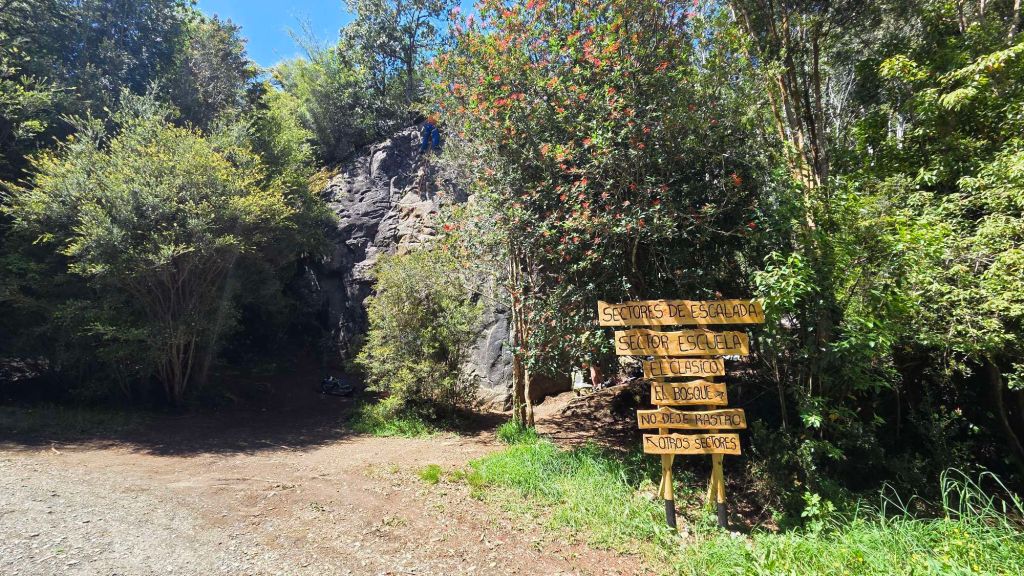
Very interesting rock though – rough textured volcanic rock with characteristic runnels and shallow pockets giving it a gritstonesque vibe. La Fisura del Pueblo at 5.9 looked like a pretty harmless warm-up to get a feel for the place, but proved something of a sandbag (familiar refrain?)
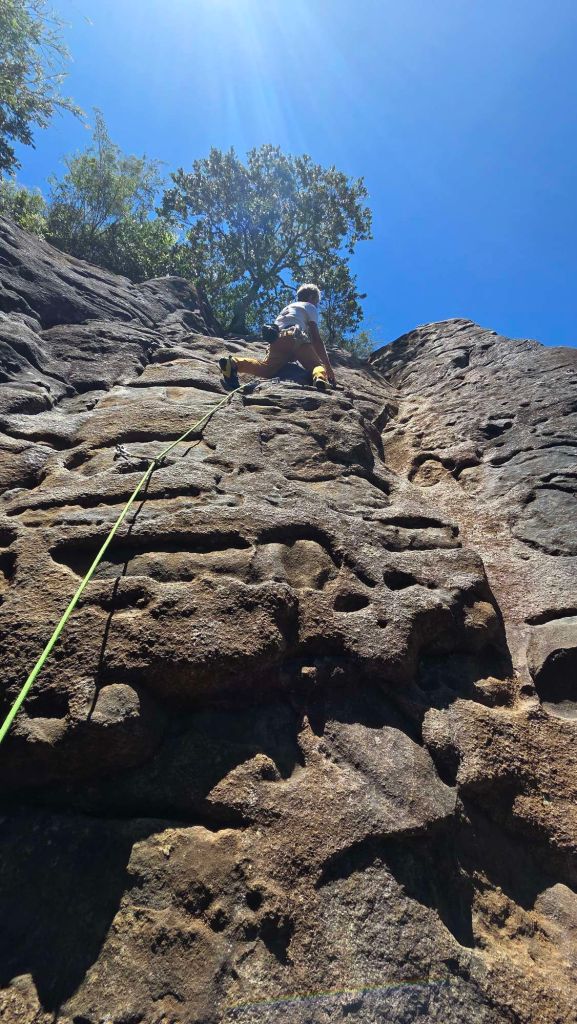
The adjacent La Nariz de Complite, 10b, reinforced the impression (English tech grade 5c/6a?) and we could easily have downed tools at that point.
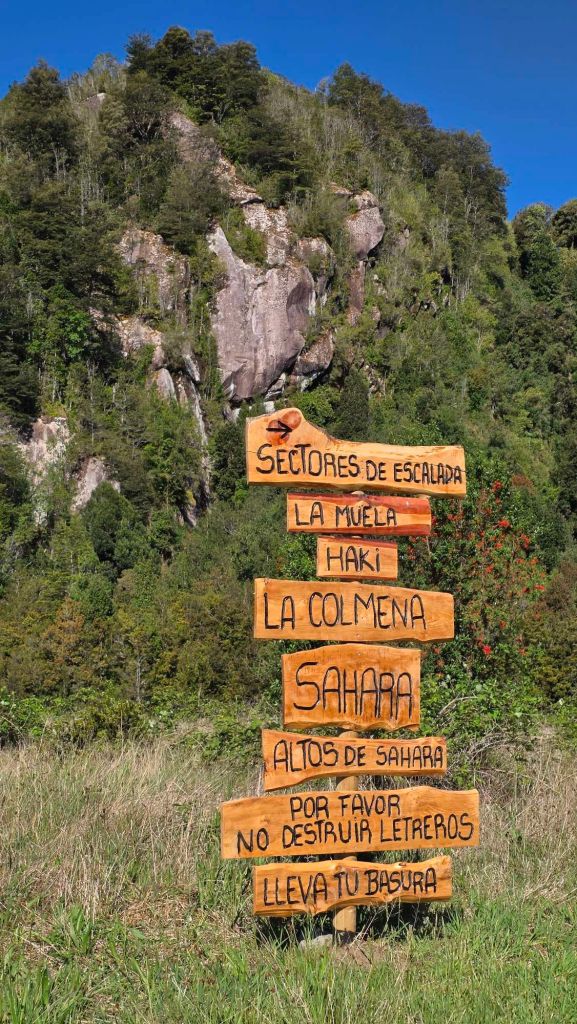
Instead we ventured a bit further into the Park to Sector Sahara.
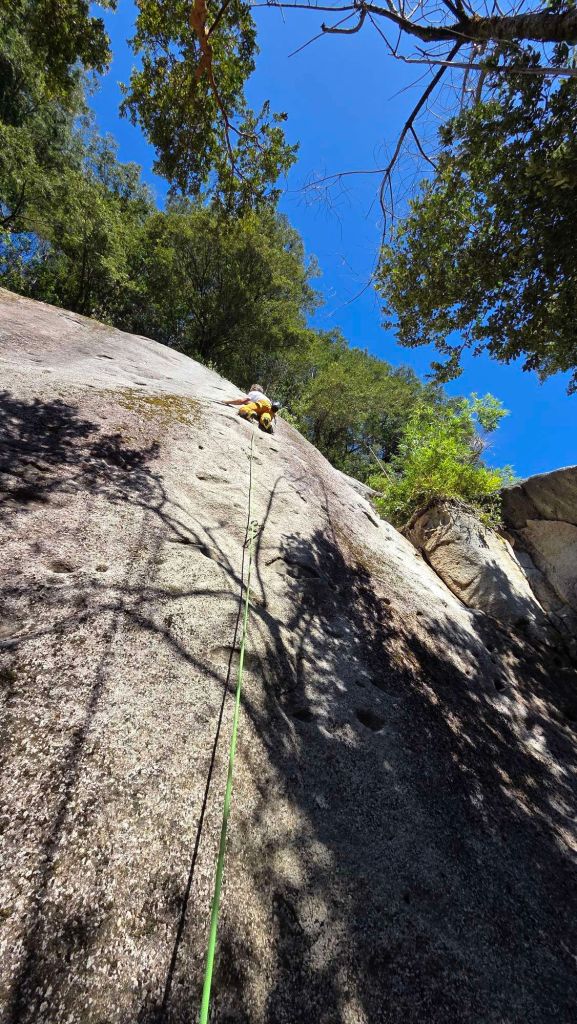
Attack of the Ladybirds was an appealing name for what looked to be a great line…
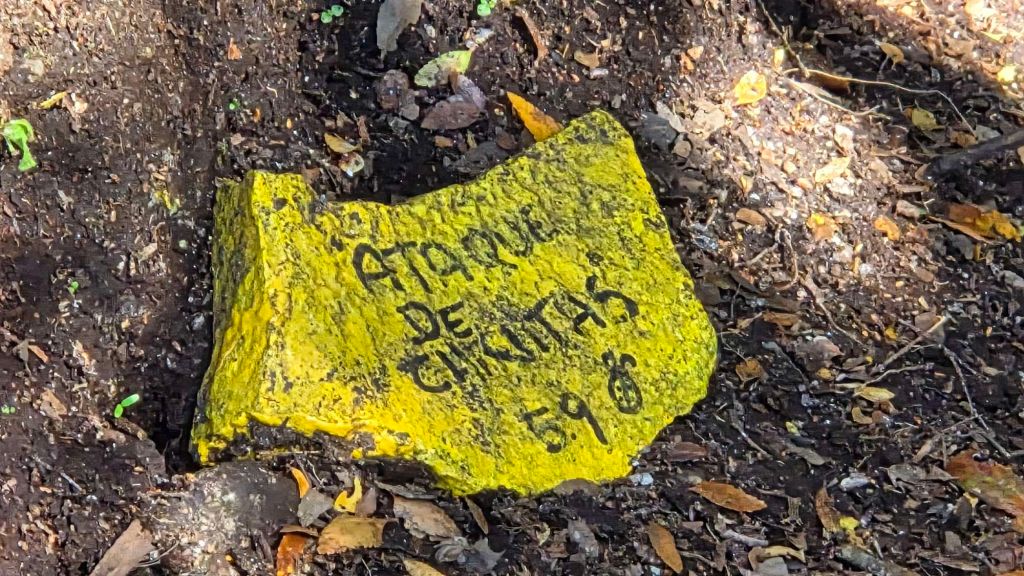
The question was whether the spots would lead all the way to the top. Happy days, this turned out to be much more like a genuine 5.9 and a 3* experience to boot.
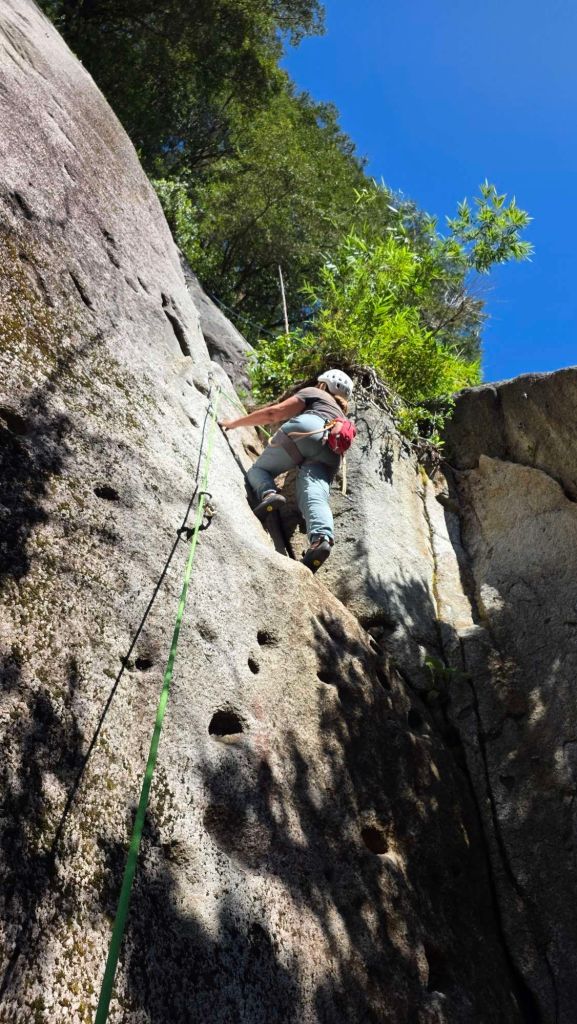
Just to the left, La Dama Blanca, 10b, was just the right level of difficulty and protection to be thought provoking without being harrowing. Also excellent.
Petrohue
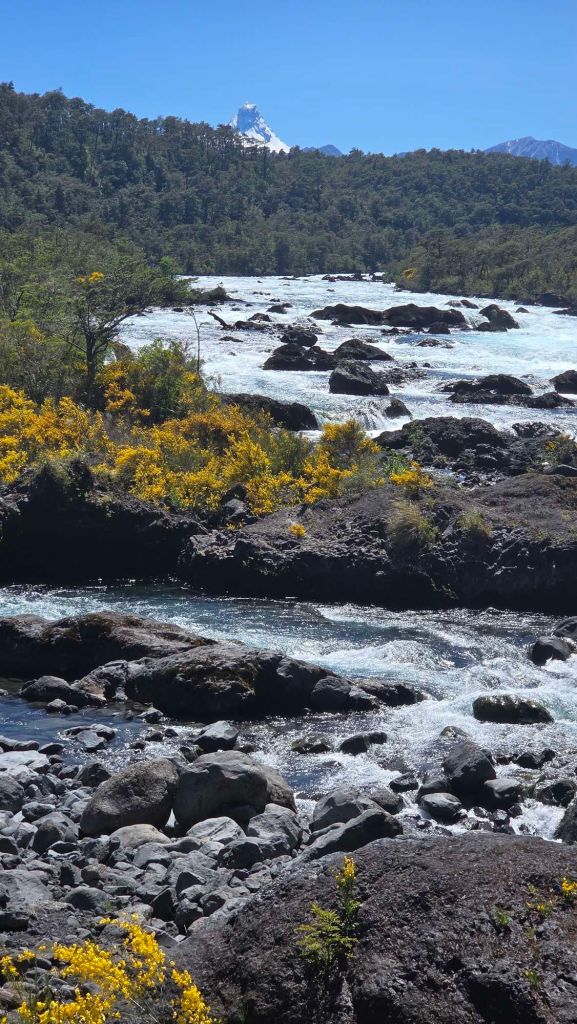
Almost completing the clockwise circumnavigation of the Parque Nacional Alerce Andino, we headed up to the next dropped pin on our cragging map at Petrohue. The road follows the Petrohue River, with spectacular rapids and views of Volcan Puntiagudo, before it dead-ends at Largo todo los Santos.
The climbing is situated a few miles before the lake, and looks a bit scruffy at first sight.
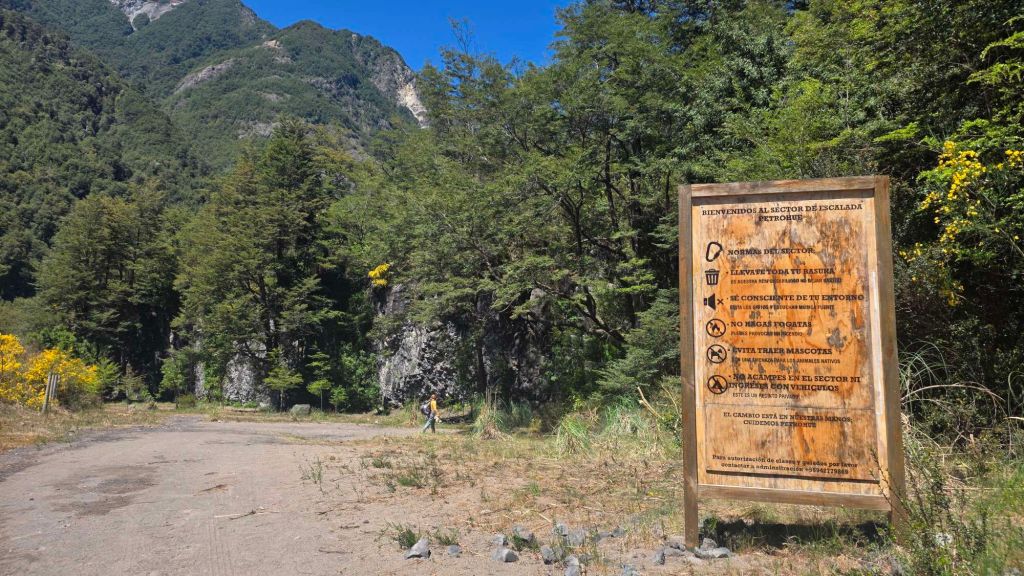
A chaotic jumble of Basalt (not those magnificent, orderly columns) set amongst trees. The black rock was almost burning to the touch, which didn’t help!
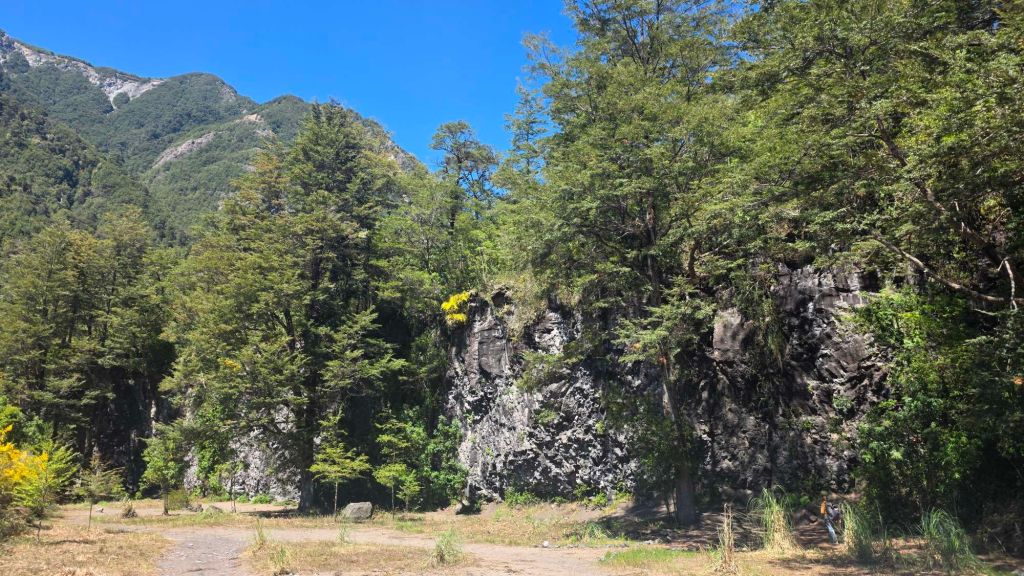
However, the holds are positive (at least a few of them are!) and the rock more solid than it looks, and it’s actually a pretty decent crag.
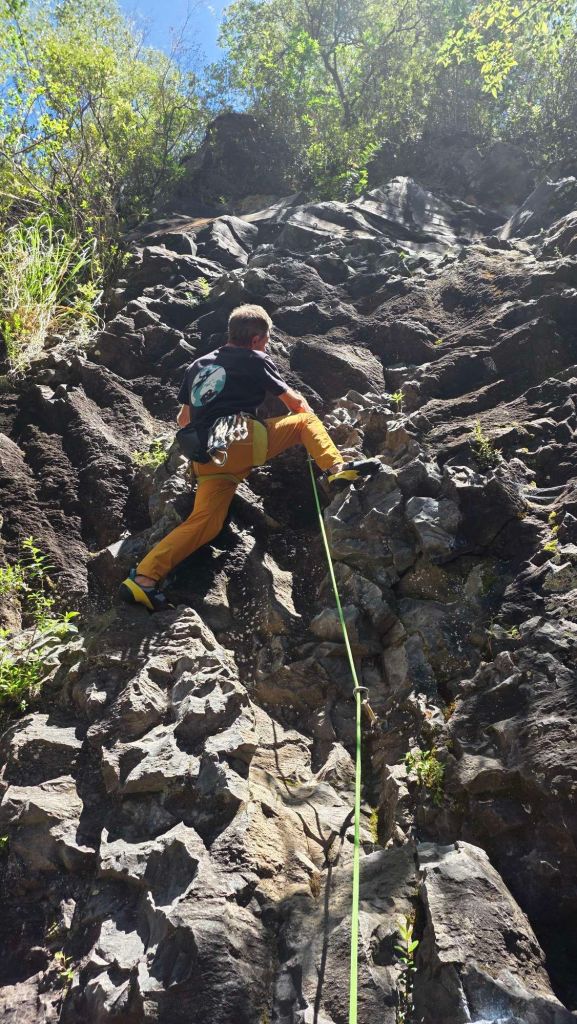
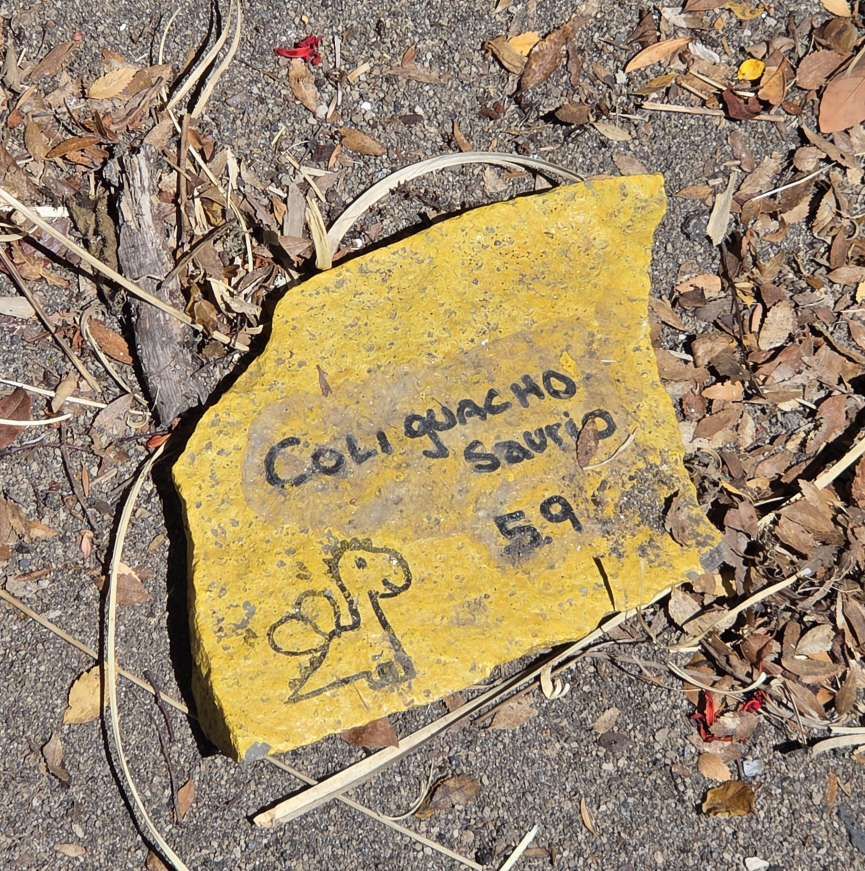
Favourite route was Chino Colison, but favourite route name was probably…
Meandering up to the Lago Todo los Santos itself, you are very much in tourist central, with boat tour operators squabbling amongst themselves to lure customers for a circuit of the lake, but it’s hard to argue that it isn’t attractive!
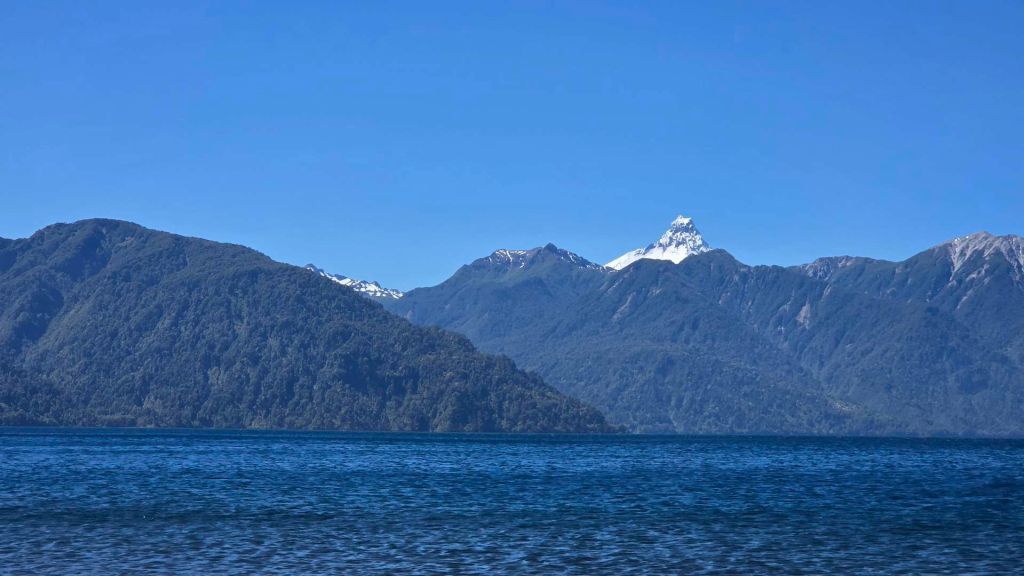
Another blissfully quiet lakeside campsite…
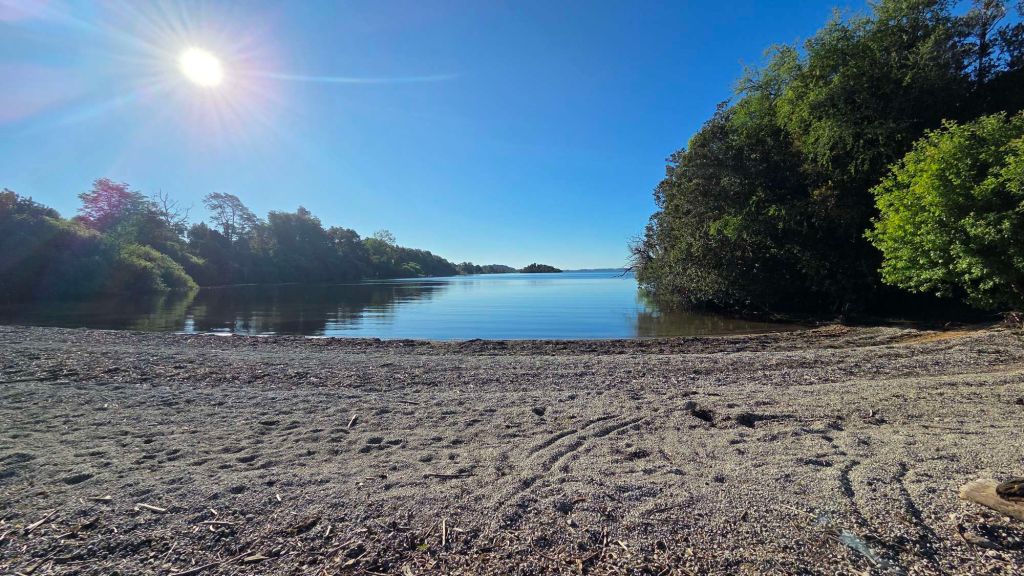
Another day, another dropped pin on the map, and we meandered further northwards skirting more magnificent lakes towards Parque Nacional Puyehue. This is arguably the poster child of the Chilean Lake District…
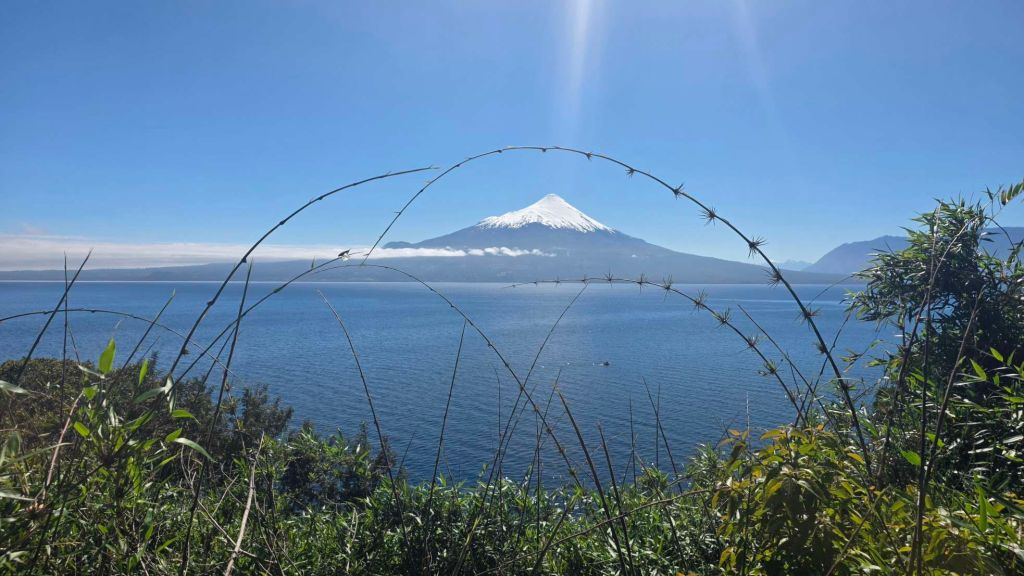
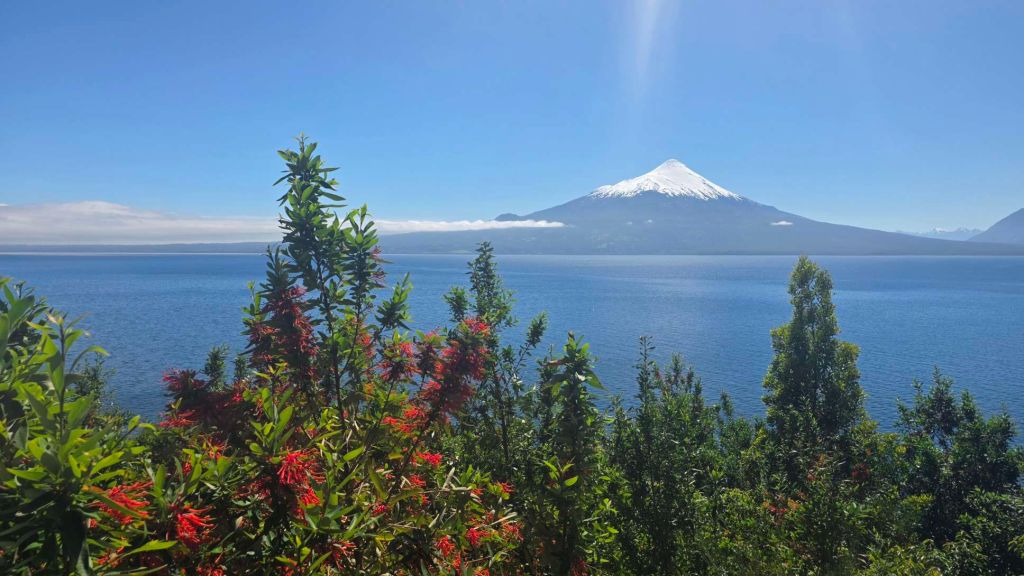
Ñilque
The views alone are worth the diversion, which is just as well as TBH the climbing at Ñilque wasn’t.
It’s a bit of a mission to locate (clue – park in front of the chapel Gruta Lourdes and walk 300m east along the road looking for a gap in the hedge)…
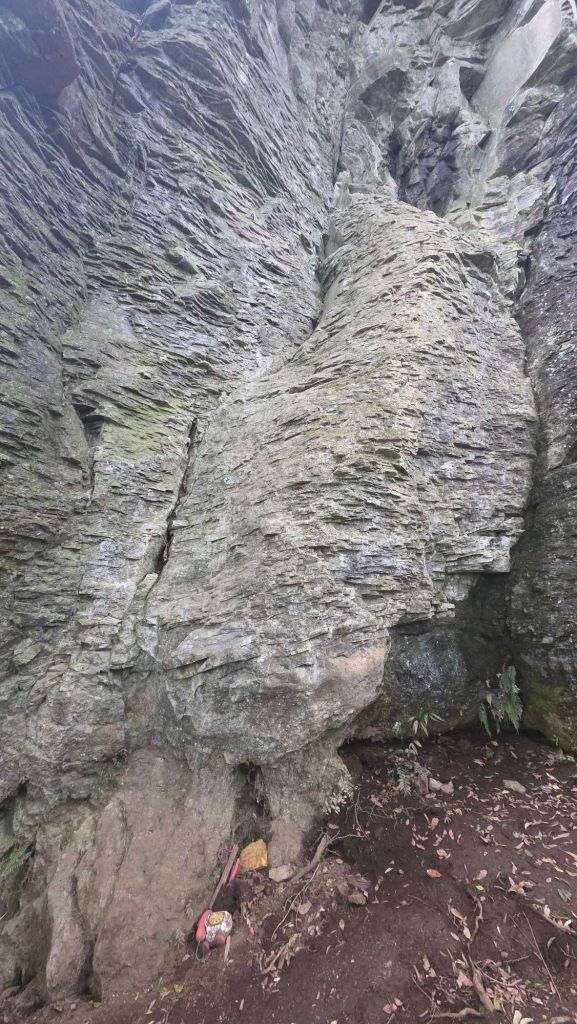
Despite facing north (ie sunny) the crag is tree-shaded and recent rain had left it dank and dripping. There’s obviously a good local scene here, judging by the chairs and firepit…
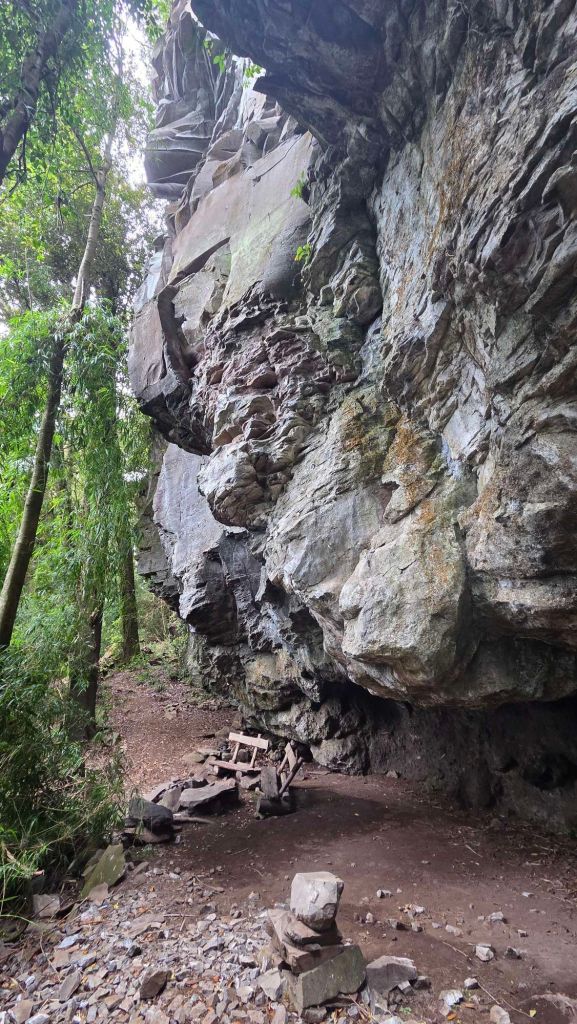
… but it maybe needs a while to dry out. In a very unusual move for RockAroundTheWorld, we couldn’t even muster the enthusiasm for a YECTOYD!
We were now in that phase of the trip where we had a lot of mileage to cover and not too many days to do it in, but still wanted to try to break the journey with some cragging. The central belt, taken by Ruta 5, between the Pacific and the Andes, is pleasant but hardly spectacular, and largely bereft of climbing. The two cragging options en route would each be a couple of hours or so sidetrack into the mountains, and we’d only really got time to take in one. Villa Peluca near Antuco or Termas de Chillán near Las Trancas. Another spin of the wheel and we settled on…
Termas de Chillán
This had the attractions of being up near a ski resort at around 2,000m, and we allowed ourselves to visualise another version of Valle de los Cóndores. It certainly wasn’t that, with the retreating snow now patchy and brown on what were probably busy pistes only a few weeks earlier.
On the plus side, you definitely can’t fault the convenience and it was comfortable in T-shirts despite the altitude.
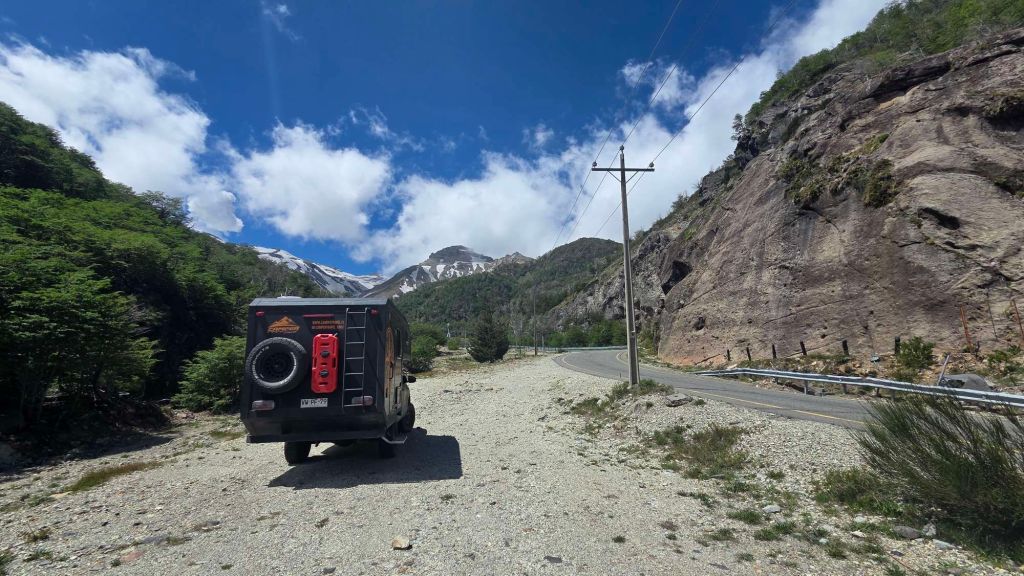
The Kinder Garden sector almost put us off with the name, but the rock is excellent and the gentle angle makes for some fun, amenable routes. Here’s Helen on Trepar al Nido.
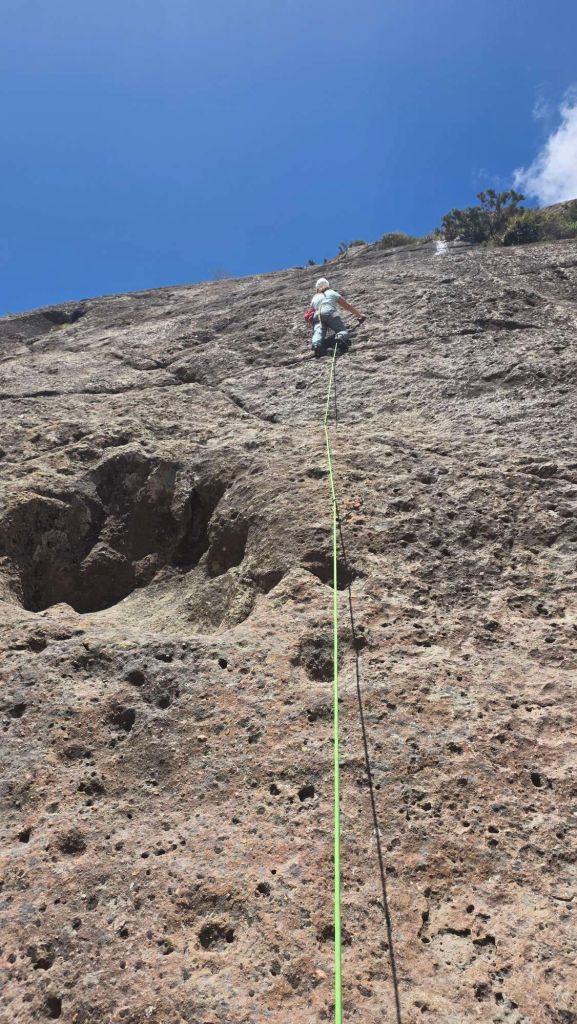
Further left you’ve got a choice of the seriously steep cave capers in the Gruta de Las Virgen, or the longer and more vertical Escuela sector.
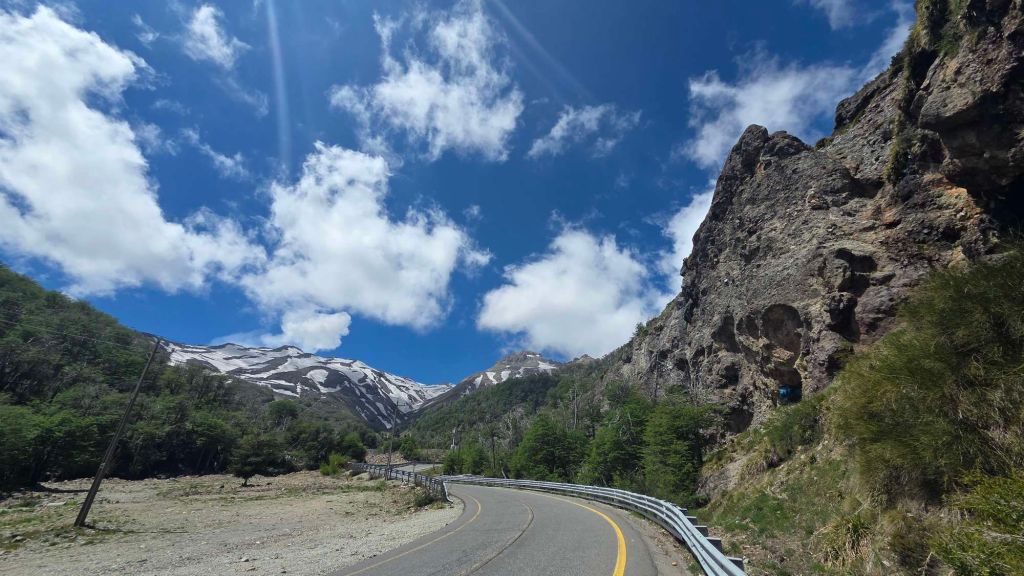
We went for the latter (to nobody’s surprise!) and did the excellent 2-pitch 10a, Multi-Largo, in a oner (the only time anything longer than a 60m would have been of any use on the whole trip).
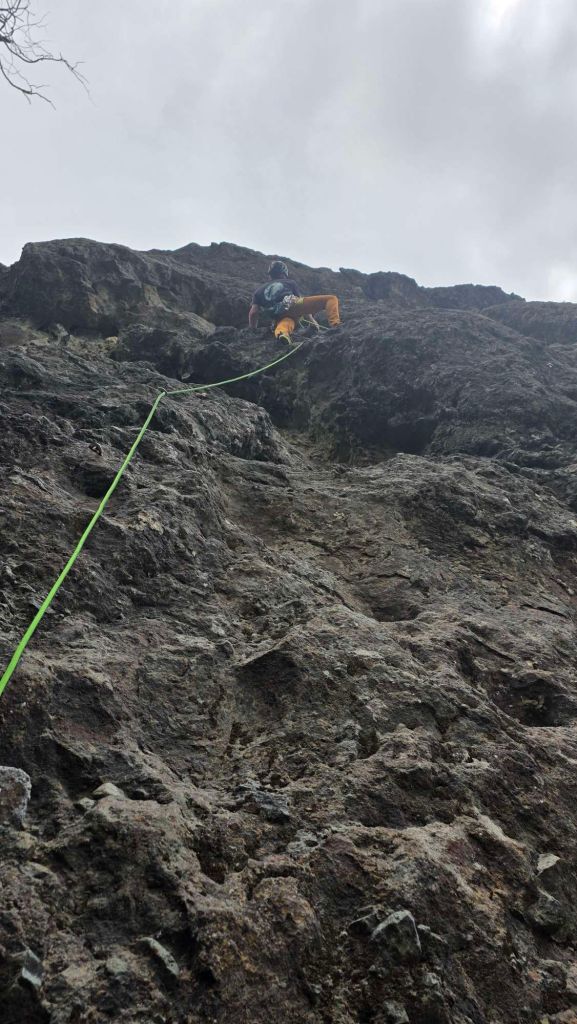
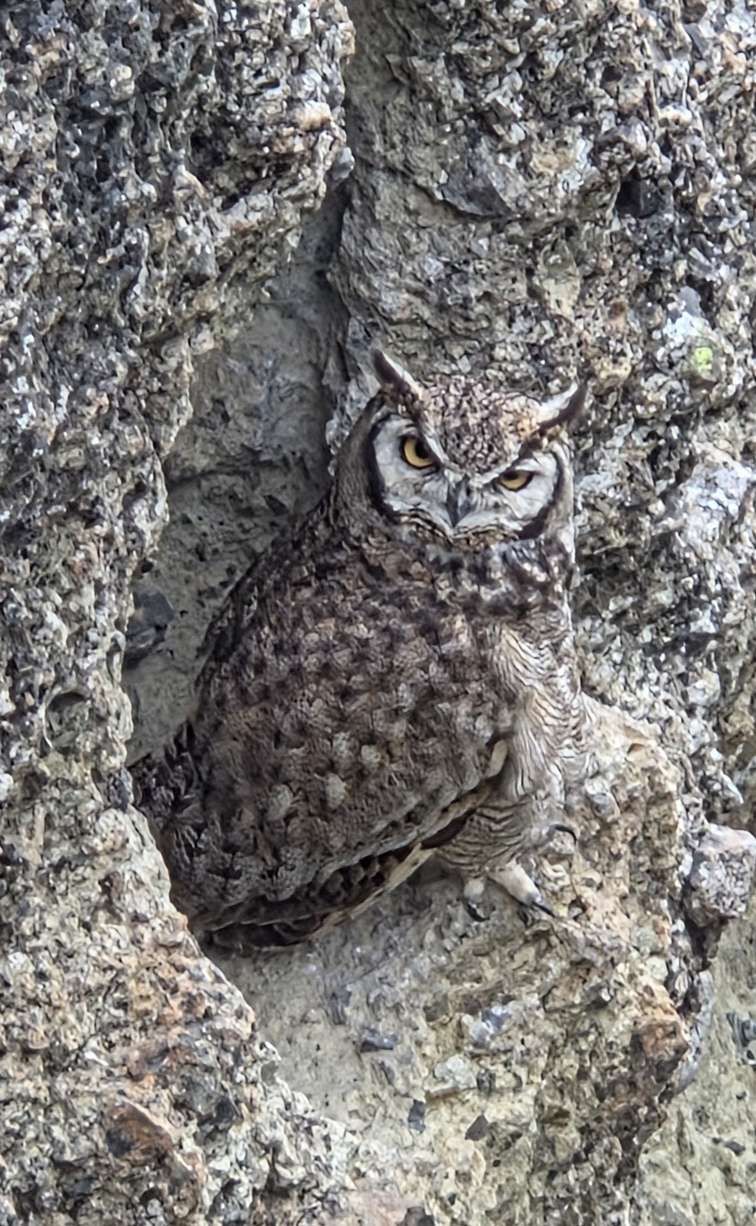
The 10b to its right must have shed some holds as the start was nails, and then the rest was a bit meh. However, any disappointment was more than made up for by meeting this magnificent fella (later identified as a Lesser Great Horned Owl). Perched in a huge hole a couple of routes further on. He studied my ascent with aloofness – I could almost hear the tutting as I flailed on the no-holds.
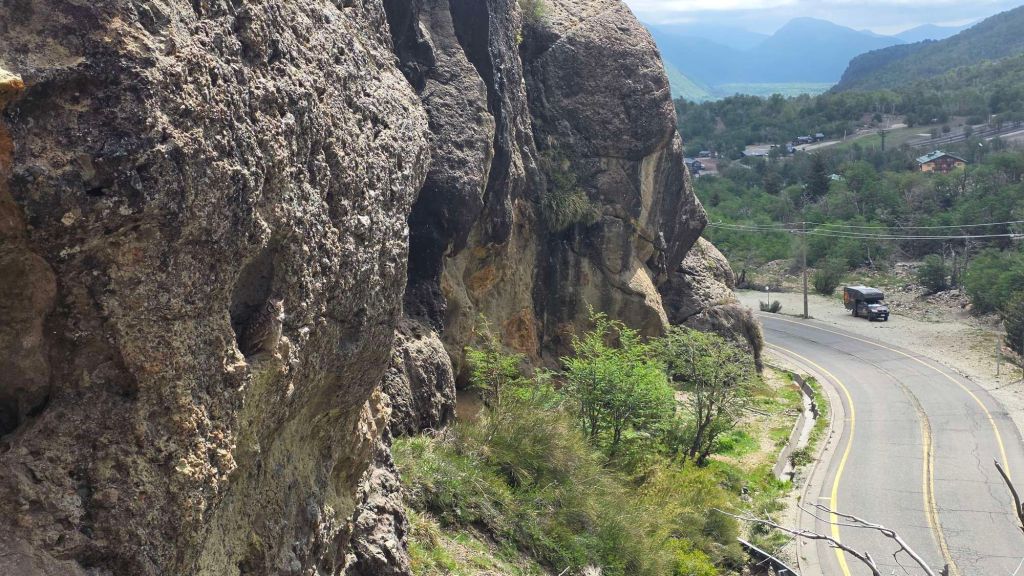
Not a destination crag, but not a bad journey-breaker, and beggars can’t be choosers. That was our last stop before our final few days stop-off in Cajón del Maipo. Stay tuned for the final episode in our Chile Capers…

